



Is Bonaire Safe? What Travelers Need to Know
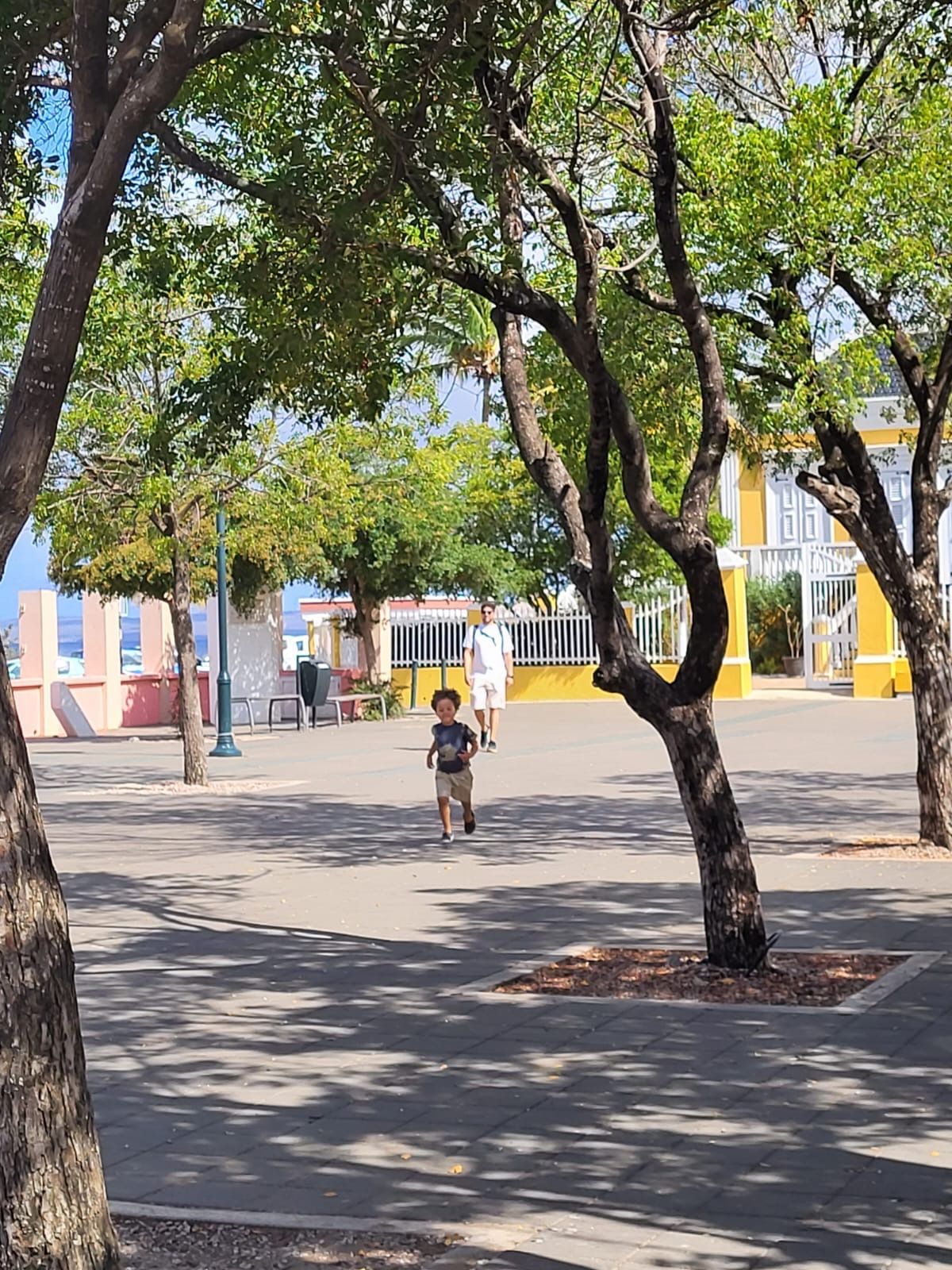
Bonaire is considered one of the safest Caribbean destinations, with official advisories from the U.S. Department of State and Canadian guidance categorizing it as generally safe. Local sentiment reinforces this, with almost 90% of residents reporting they have never felt unsafe. While crime rates are low and predominantly non-violent, a 2021 study showed a perceived increase in feeling unsafe among residents compared to 2017. Most residents believe there is minimal to no crime in their neighborhoods. Globally, Bonaire has a low overall crime rating, though there's a slight concern for vehicle-related theft, especially petty theft from unattended vehicles at dive sites.
Safety Tips for Solo Travelers in Bonaire
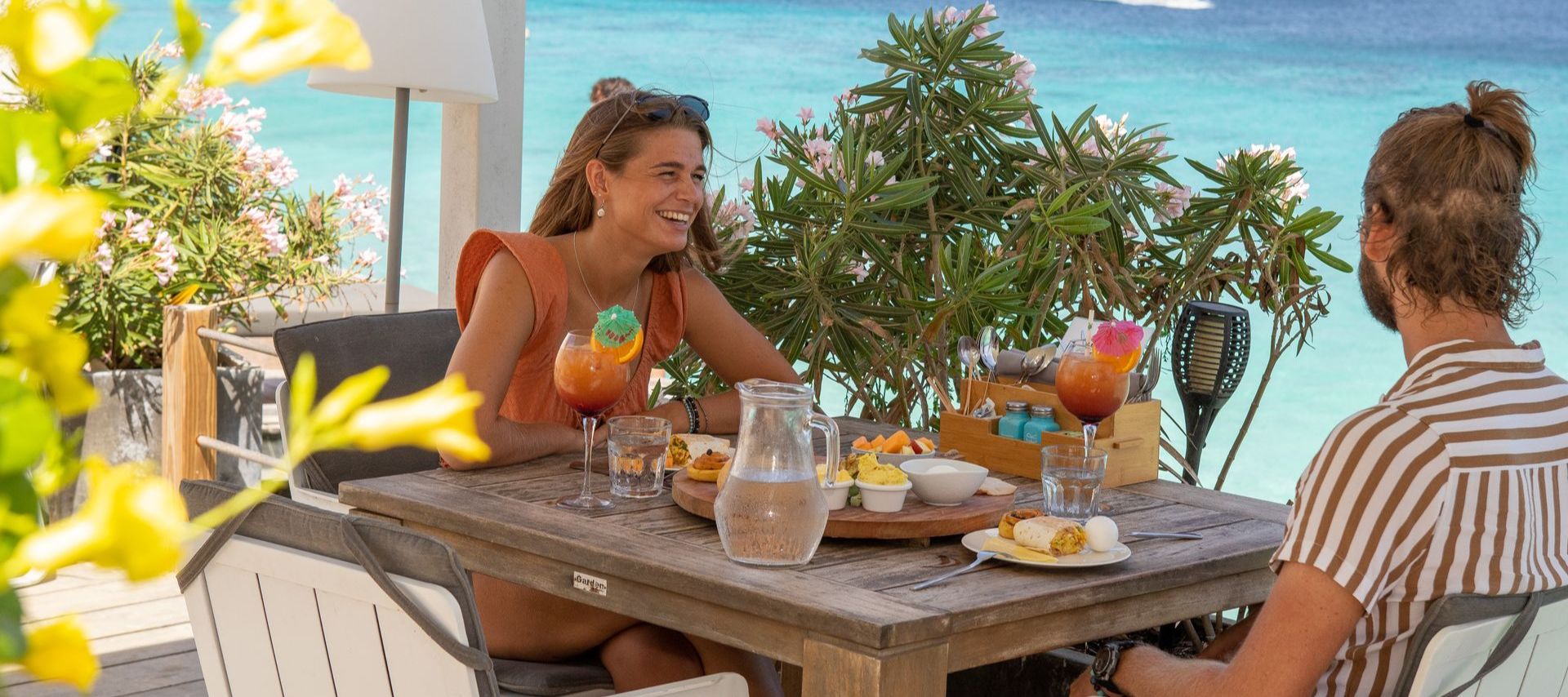
For solo travelers, maintaining connection with a trusted network of loved ones is paramount. Regularly checking in, sharing itineraries, and providing updates on your whereabouts can offer peace of mind. Engaging in group excursions not only enhances safety but also provides opportunities for meeting new people and discovering hidden gems. When venturing out, particularly after sunset, it's wise to socialize in public establishments. During daytime explorations, while generally safe, exercising general caution and being aware of your surroundings is always a good practice. This includes being mindful of personal belongings and avoiding isolated areas.
Safety Advice for Families Visiting Bonaire
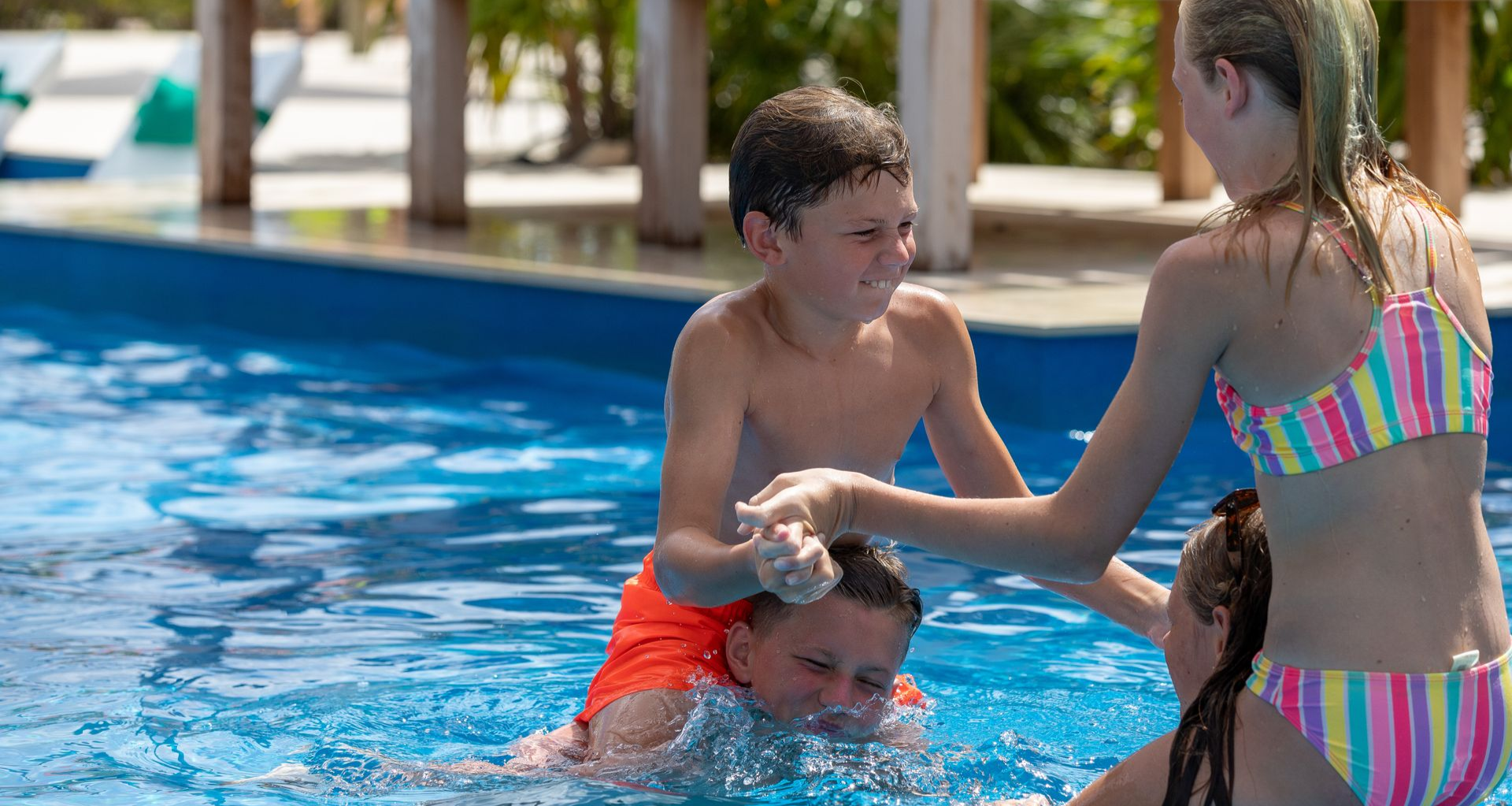
Families traveling with children should place constant supervision as their top priority, especially when near water. Bonaire's inviting shores and aquatic activities can be a powerful draw for young ones, necessitating vigilant oversight to prevent accidents. Furthermore, safeguarding valuables is crucial to deter opportunistic theft. Caution pays off, so be sure to follow the top 10 tips below.
10 Essential Safety Tips for Travelers in Bonaire
- Secure your belongings. Don’t leave electronics, wallets, or bags unattended in cars or on the beach. Stay vigilant at dive sites, where vehicles are targets for petty theft.
- Use hotel safes to store passports, extra cash, and valuables.
- Get proper insurance. Particularly when renting a car or engaging in active excursions.
- Avoid deserted areas after dark, such as isolated beaches, driving roads, or unlit zones.
- Lock your rental vehicle, but consider leaving it unlocked at remote dive sites to deter break-ins.
- Drive cautiously, especially on poorly lit or rugged roads, watch for wildlife, keep a safe following distance, and use a well-equipped vehicle.
- Stay alert in crowded spots as petty theft can occur.
- Prepare for nature-related risks. Use reef-safe sunscreen, protect against sun and insects, especially mosquitoes, and follow safety guidance when viewing animals.
- Know emergency contacts — dial 911 for ambulance, police, or fire. Bonaire provides basic healthcare and advanced treatment at San Francisco Hospital, and local clinics for non-critical needs, but serious cases may require evacuation.
- Have a healthcare plan. Carry a travel first-aid kit, travel insurance, and be aware of local clinics and evacuation options.
What to Know About Driving and Petty Theft in Bonaire
Bonaire is a safe and peaceful island with low crime, a friendly culture, and a relaxed pace. While minor issues like petty theft and difficult roads can occur, being prepared for healthcare and driving is advisable. With basic precautions, travelers can enjoy a secure visit.
Enjoy a Safe and Relaxing Stay in Bonaire
The island's welcoming atmosphere and strong community create a peaceful environment. Common sense practices like securing belongings, being aware while driving, staying in well-lit areas, and having insurance and emergency plans will ensure a worry-free experience.