



What Makes Island Communities Different
At first glance, island life may seem simple. Small places, quiet streets, familiar faces, and a slower rhythm than in larger countries. But beneath that surface lies something more complex, a way of living shaped not by isolation, but by connection.
A Community Growing at Its Own Pace
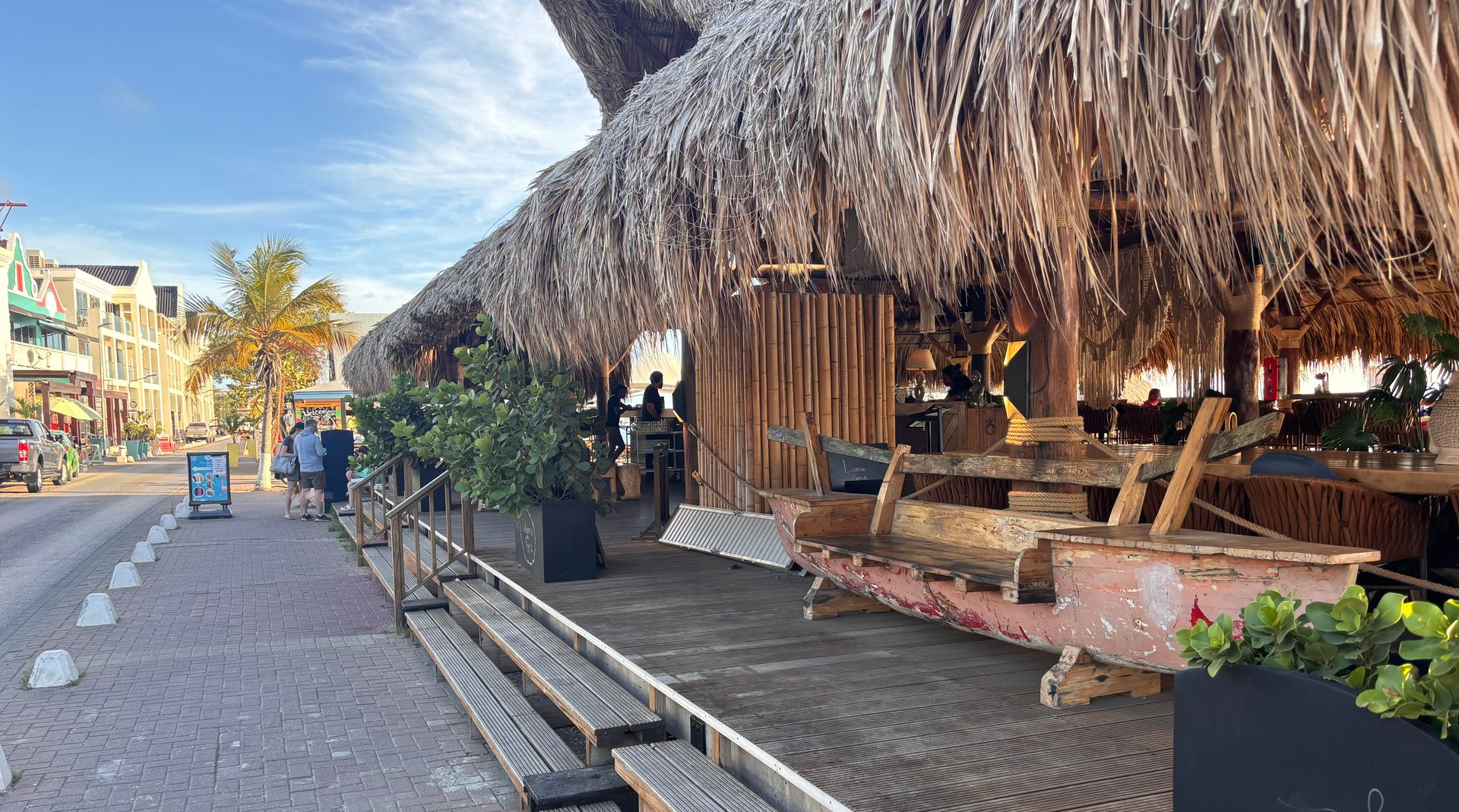
Bonaire once had around 14,000 inhabitants just two decades ago. It was quieter then, less crowded than it feels today. Even now, compared to many Caribbean islands of a similar size, Bonaire remains relatively calm. That does not mean the island is behind. It means it has developed at its own pace. Today, in 2026, Bonaire is home to nearly 24,000 people, with roots from all over the world. What was once a small, tightly knit community has grown into something more layered, shaped by both continuity and change.
Where Distance Works Differently
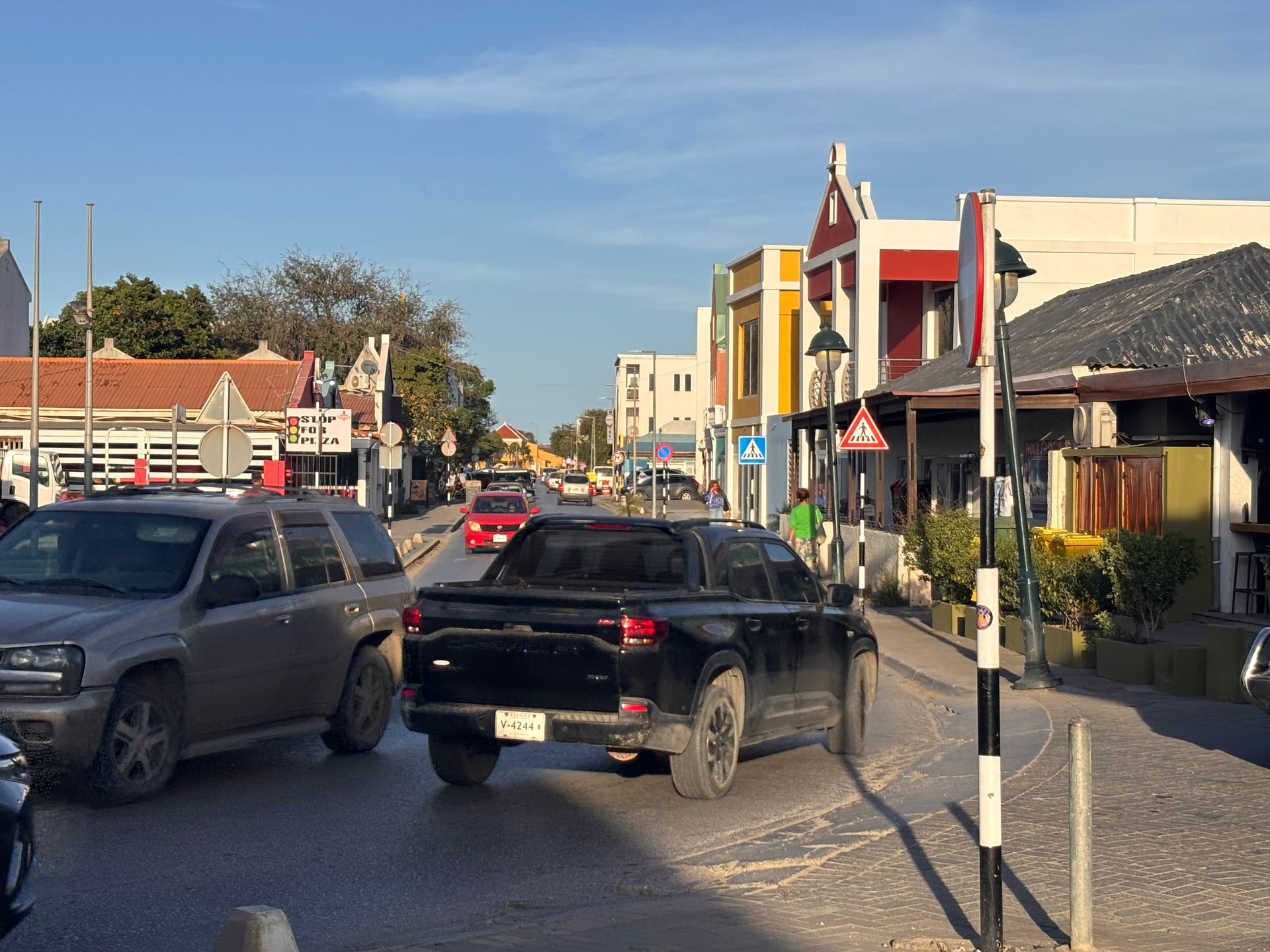
On an island, distance works differently. The physical distance between places may be small, but the distance to the outside world is often large. Goods, opportunities, education and healthcare often depend on what arrives by sea or air. This creates a reality where access is never fully taken for granted, and where resilience becomes part of everyday life.
Closer Communities, Stronger Bonds
At the same time, communities are closer. On a small island, people know each other, not always personally, but through networks of family, school, work and shared spaces. News travels fast. Support can come quickly, but so can pressure. Privacy exists, but it is different. So is responsibility.
Island communities are built on relationships. Not only because people want that, but because they need it. When systems are smaller, people rely more on each other. Informal support becomes just as important as formal structures. A neighbor, a family member or a friend often fills the gaps where systems fall short.
Living Close to Nature
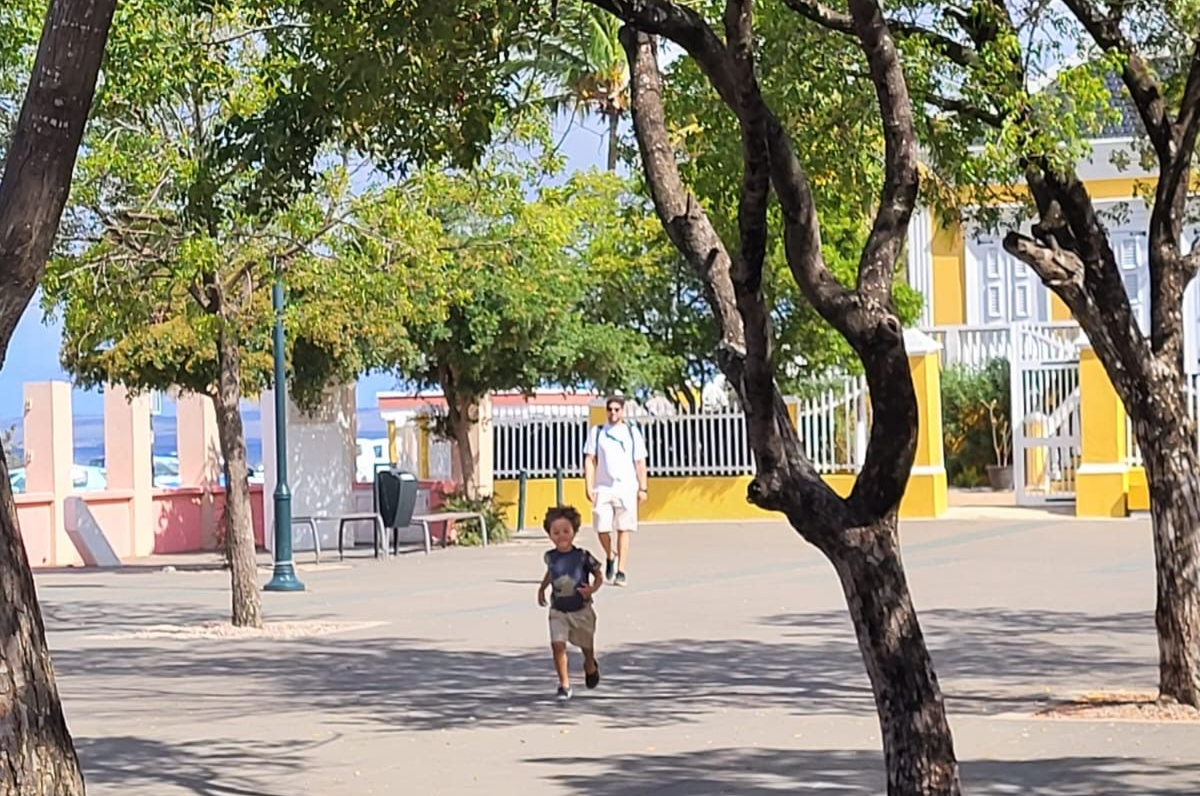
Nature also plays a larger role. On an island, the environment is not something distant. It is visible, present and often fragile. The sea, the wind and the dry land are part of daily life. This creates both awareness and vulnerability. When something changes, economically, environmentally or socially, the impact is felt quickly and by many.
Connected to the Wider World
At the same time, island communities are deeply connected to the outside world. Migration, tourism, trade and policy all shape daily life. Decisions made elsewhere can have direct effects locally. This creates a constant balance between local identity and external influence. Island life is never only local.
A Deep Sense of Belonging
Because of this, island communities develop something unique: a strong sense of belonging, combined with an awareness of dependence. People know where they come from, but they also understand that their future is connected to forces beyond the island.
This is what makes island communities different and unique, not smaller, not simpler, but more interconnected in ways that are not always visible.